








BLOG POST - CONTAINER DIMENSIONS

Introduction: Container sizes explained
Shipping containers are essential elements in global trade and are widely used for the transport and storage of goods. They are available in various sizes, and it is important to choose the right container size based on your specific needs. In this article, we will discuss the standard dimensions of shipping containers and provide an overview of the available sizes and their applications.
Standard dimensions of shipping containers:
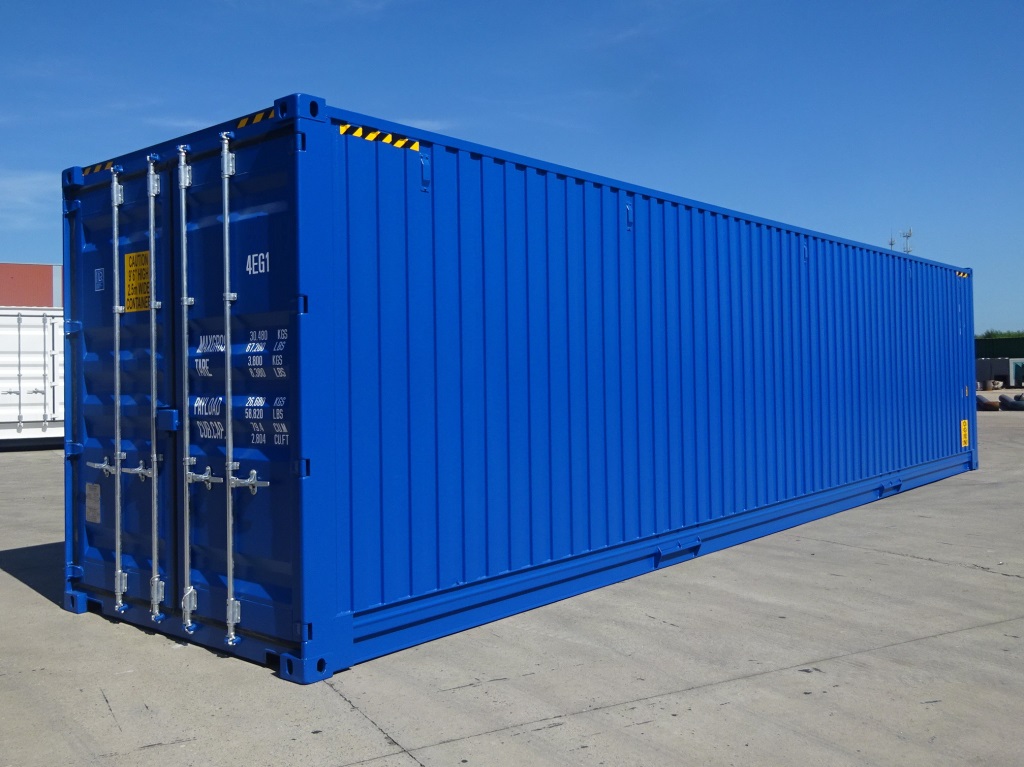
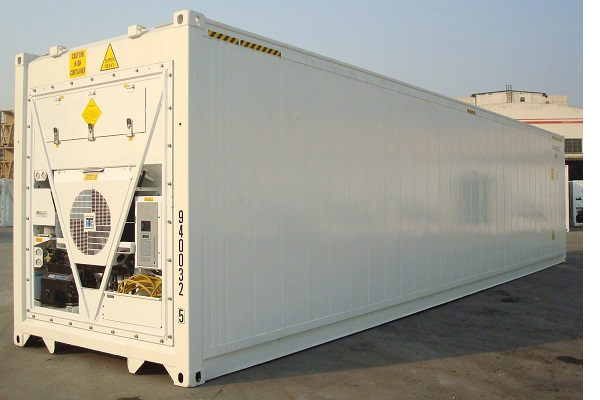
Shipping containers have standard dimensions that are internationally recognised. The two most common sizes are 20-foot and 40-foot containers. A standard 20-foot container has a length of approximately 6.06 metres, a width of 2.44 metres, and a height of 2.59 metres. A standard 40-foot container has a length of approximately 12.19 metres, a width of 2.44 metres, and a height of 2.59 metres.
Different container sizes:
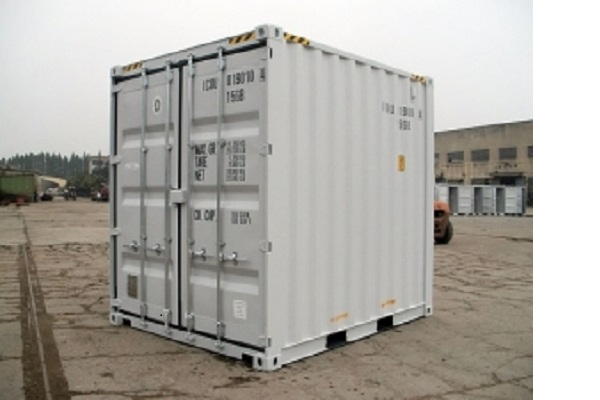
In addition to the standard 20-foot and 40-foot containers, other container sizes are also available. These include 10-foot and 30-foot containers, among others. A 10-foot container has a similar width and height to the standard sizes but a shorter length of approximately 3.05 metres. A 30-foot container has the same width and height as the 20-foot container but a longer length of approximately 9.14 metres.
Internal and external dimensions:
It is important to understand both the internal and external dimensions of shipping containers. The internal dimensions determine the usable space inside the container, while the external dimensions indicate the total size of the unit. These dimensions can vary depending on the manufacturer, so it is advisable to check specific measurements when buying or hiring a container.
Customisation of container sizes:
Shipping containers can also be customised to meet specific requirements. This includes combining multiple containers, creating door openings, or installing windows and ventilation. It is important to work with a reliable supplier who has expertise in container modifications to ensure that the desired adjustments are carried out professionally.
Applications of different container sizes:
Each container size has its own applications. Standard 20-foot and 40-foot containers are often used for general cargo and storage. 10-foot containers are more convenient in small spaces or for specific applications, such as the transport of hazardous substances. 30-foot containers may be suitable for project cargo or temporary storage.
Conclusion:
When buying, hiring, or using shipping containers, understanding the dimensions is essential. Selecting the right container size depends on the nature of the cargo, the available space, and other specific requirements. By having knowledge of the standard dimensions and other available sizes, you can make an informed decision when using shipping containers for transport or storage.
I hope this article helps you understand shipping container dimensions and make the right choice for your transport and storage needs.