



 Español
 Deutsch
 Français
 Nederlands
 English
Dry Box vs. Open Top: Choosing the Right Container for Your Cargo
When transporting goods across global shipping lanes, selecting the right type of shipping container is critical. The wrong choice can lead to cargo damage, additional costs, or logistical delays. Two of the most widely used containers for standard and specialized cargo are the Dry Box and the Open Top container.
Although they share many features at first glance, they serve very different operational purposes. In this article, we compare both types and show when to deploy each container.
Listen to Podcast
The Dry Box (Standard Container): The Global Standard
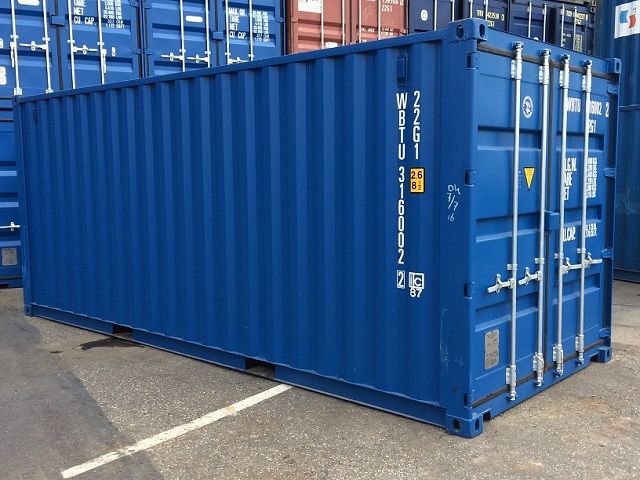
The Dry Box, also known as a General Purpose (GP) or dry van container, is the backbone of international logistics. Approximately 90% of all global cargo is transported in this container type.
Construction: A fully enclosed steel structure that is wind- and watertight, featuring fixed walls, a sturdy floor (often plywood), and double doors at one end.
Typical dimensions: Commonly available in 20ft (TEU) and 40ft (FEU) sizes, alongside High Cube variants for extra height.
Ideal for: Palletized goods, cartons, drums, apparel, machinery on pallets, electronics, and virtually all other dry general cargo requiring protection from weather conditions.
The Open Top Container: For Out-of-Gauge Cargo
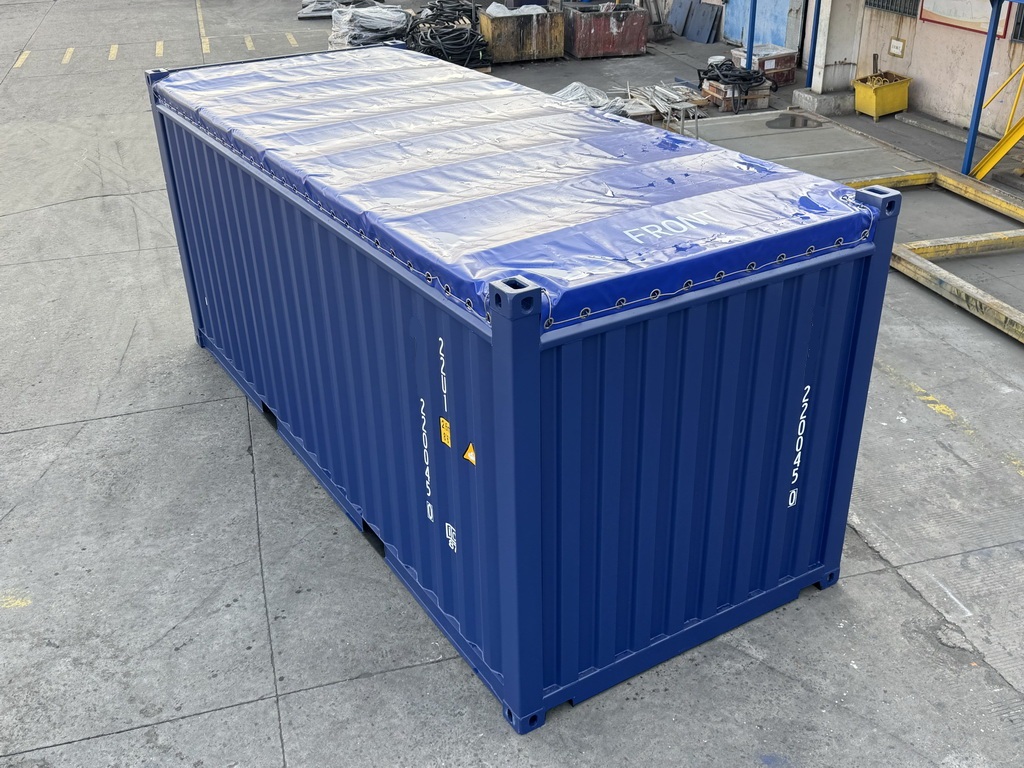
As the name indicates, an Open Top container does not have a fixed steel roof structure. Instead, the roof is covered with a flexible tarpaulin that can be unfastened and removed, and the end doors are often fitted with a swing-out header bar.
Construction: Built from robust steel, featuring an open top and removable roof bows.
Ideal for: Cargo that is simply too tall, too long, or too heavy to fit through the standard doors of a Dry Box—such as tall machinery, heavy industrial components, marble slabs, timber logs, or large steel coils.
Comparison: Dry Box vs. Open Top
Feature
Roof
Loading / Unloading
Max. Loading Height
Weather Protection
Costs
Availability
Dry Box (Standard)
Fixed steel top
Horizontally via doors only
Limited to internal container height
Fully enclosed and weather-resistant
Standard rate (most cost-effective)
Readily available worldwide
Open Top Container
Removable tarpaulin
Both horizontally (doors) and vertically (crane)
Unlimited vertically (once roof is opened)
Well protected, but susceptible to leakage if tarpaulin is damaged
Often higher rental and specialized transport costs
Specialist equipment, less widespread stock
Which Option Should You Choose?
Choose a Dry Box if:
- Your goods are neatly stacked on pallets and fit within standard internal dimensions.
- Your cargo is moisture-sensitive and requires maximum protection against weather conditions during a long ocean voyage.
- You want to keep costs as low as possible—dry boxes are widely available and loading via a dock ramp is straightforward.
Choose an Open Top if:
- Your cargo is too tall or too large for the doors of a Dry Box.
- You need to lower goods into the container from above using a crane or hoist (for example, heavy machinery that cannot be tilted).
- You are handling oversized cargo that is covered with a dedicated tarpaulin after loading and sealed where needed for extra security at sea.
Conclusion
The Dry Box is the benchmark for cost efficiency and everyday general cargo, while the Open Top is the practical solution for logistical challenges involving out-of-gauge and heavy freight.
By carefully analyzing cargo dimensions, weight, and loading methods in advance, you avoid costly supply chain errors. Unsure which option best suits your specific shipment? Always consult an experienced freight forwarder or container agent in good time to rule out loading risks.